Google Ads for Veterinary Clinics That Need More New-Client Appointments
We build and manage search campaigns around real clinic demand, then track calls, forms, and booked appointments so you can see what is actually working.
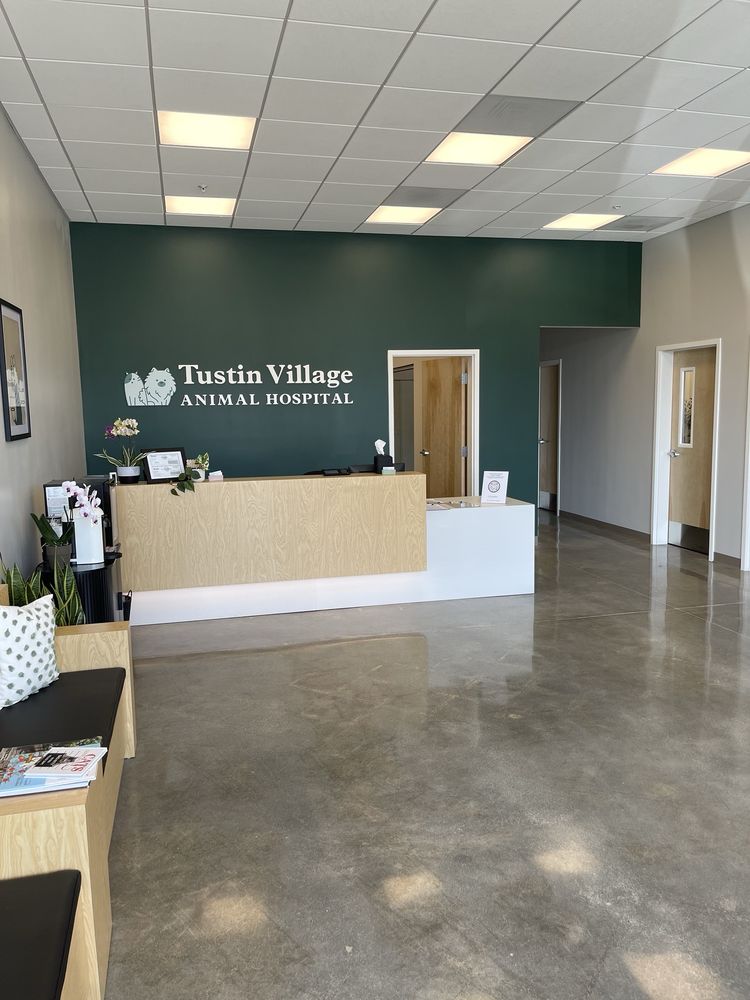
Tustin Village Animal Hospital went from $0 to approximately $1.5M in revenue in 12 months.
It’s now tracking toward a roughly $2.4M annualized run rate.
We did not get there with one magic campaign. We built the pieces most clinics are missing: stronger local visibility, a cleaner website path, paid search, call tracking, conversion tracking, and follow-up discipline.
The clinic is owned by our family — Dr. Mimi M., DVM, practices there. That means we’ve handled the marketing side and lived the clinic side: the missed calls at lunch, the packed front desk, the PIMS quirks, the review responses. Your market and capacity are different from ours, so your numbers will be too — but the bottlenecks are usually the same ones.
Clicks are easy. Appointments are the job.
Plenty of veterinary clinics are spending on Google Ads and have no idea whether it works. The dashboard shows clicks and a cost-per-click, the budget empties every month, and the front desk can’t tell you which of those clicks ever became a patient. That’s not a budget problem — it’s a tracking and structure problem.
Most veterinary PPC underperforms for the same handful of reasons: budget spread across keywords that don’t signal intent, ads pointing at a homepage instead of a relevant page, no call tracking, and conversions counted as “form views” instead of actual booked appointments. You end up paying for clicks but not patients.
What we fix in a veterinary ad account.
- Intent-first keyword structure. We separate “emergency vet near me” urgency from routine searches and from people just researching, and we spend where the intent to book is highest.
- Where the click lands. Ads point to a page built for that search, with the call button and appointment request obvious above the fold — not your homepage.
- Real conversion tracking. We count calls that actually connect and last long enough to be real, and form fills that lead somewhere — not soft “engagement” metrics.
- Call tracking on every campaign. Most veterinary leads come by phone. If you’re not tracking which keyword drove the call and whether it was answered, you’re optimizing blind.
- Wasted spend. Negative keywords, geographic limits to your real service area, and dayparting around when your phones are actually staffed.
How we run the account.
01
Audit the account and the demand.
What you’re spending, what’s converting, what’s wasted, and how much real new-client search exists in your area.
02
Rebuild the structure.
Campaigns organized by intent, tracking installed, ads matched to dedicated pages.
03
Connect ads to appointments.
Call tracking and conversion tracking so every dollar maps to a call, form, or booked visit.
04
Manage and report.
Ongoing optimization with reporting that shows cost per booked appointment, not cost per click.
What’s included.
Campaign strategy and build · keyword and intent research · ad copy and extensions · landing page direction · call tracking setup · conversion tracking · negative keyword and geo refinement · bid and budget management · monthly reporting tied to calls and appointments.
Why EVO.
The Google Ads dashboard on our Tustin Village Animal Hospital case study isn’t a stock screenshot — it’s a clinic our family owns, where the cost per appointment matters because it’s our payroll. We’ve sat with the call recordings and watched where good clicks die: the unanswered phone, the hold time, the “we’re not taking new clients right now.” That’s why our veterinary PPC work doesn’t stop at the click. If your bottleneck is really SEO or your website rather than ad spend, the audit will say so.
Getting clicks but not appointments? We’ll show you where they’re dying.
Frequently asked questions.
Yes, when they're built around booking intent and tracked properly. Pet owners search Google when they need a vet, often urgently, and ads put you in front of them immediately. Where they fail is structure and measurement — clicks that aren't tracked to calls and appointments look like wasted money even when some of them booked.
It depends on your market, your competition, and how many new clients you can actually handle. There's no universal number, and we won't quote one before seeing your area's search demand and your capacity. The right budget is the one that produces appointments at a cost that works for your clinic — which we can only estimate after an audit.
Calls that connect and last long enough to be real, appointment request forms, and booked visits — mapped back to the keywords and ads that drove them. Clicks, impressions, and cost-per-click are inputs, not results. If your reporting stops at clicks, you can't tell a winning campaign from a wasteful one.
Almost always a dedicated page that matches the search. Someone searching “emergency vet near me” needs your hours, location, and phone immediately — not your full homepage navigation and team bios. A focused page with an obvious call and appointment button converts far better than dropping paid traffic on the homepage.
Usually one of a few things: the ad points at a generic page, there's no call tracking so booked calls aren't being credited, the keywords attract researchers instead of bookers, or the click is converting into a call that nobody answers. The fix is rarely “spend more” — it's structure, tracking, and the booking path. The audit pinpoints which one it is for you.